
Architecture has always relied on creativity, experience, and precision to bring structures to life. Today, however, artificial intelligence (AI) is transforming the way architects approach design, planning, and construction. AI is no longer a futuristic concept; it is actively reshaping how buildings are conceptualized, visualized, and executed. From optimizing layouts to predicting structural challenges, AI tools are providing architects with capabilities that were previously unimaginable. For those interested in how AI is changing the field of architecture, DIE BRANDENBURGER provides an in-depth overview of current innovations and emerging applications. The following roles illustrate AI’s most significant contributions to modern architectural planning.
Optimizing Design Efficiency
One of AI’s primary roles in architecture is improving design efficiency. AI algorithms can analyze thousands of building layouts and generate multiple design options within minutes, which would take humans weeks to accomplish. When producing alternatives, these systems consider factors such as natural lighting, spatial flow, structural stability, and even energy efficiency. By presenting various viable designs, AI helps architects explore more possibilities quickly and make informed decisions. This accelerates the creative process while maintaining high functionality and aesthetic appeal standards.
Enhancing Sustainability and Energy Planning
Sustainable design is a growing priority in modern architecture, and AI assists architects in creating environmentally conscious buildings. AI-powered software can simulate energy consumption, predict heating and cooling needs, and recommend materials that minimize ecological impact. Architects can also model how buildings respond to seasonal changes and optimize orientations for maximum natural light and ventilation. By integrating sustainability considerations into early planning stages, AI ensures that homes, offices, and public structures are eco-friendly and cost-effective over their lifespan.
Providing Predictive Analysis for Construction Challenges
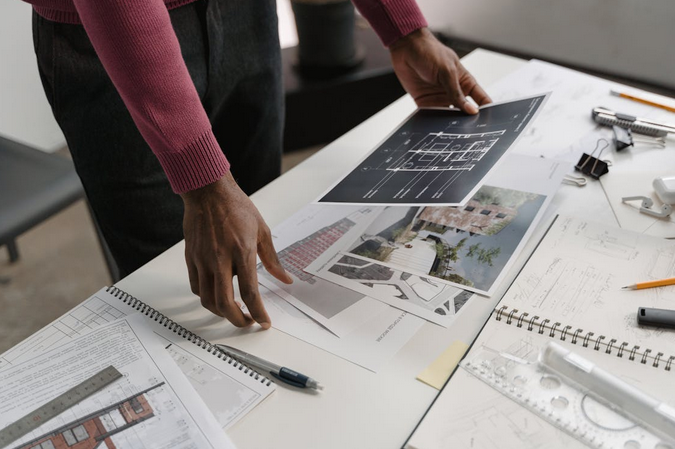
Another crucial role of AI is predicting potential construction obstacles. Through the analysis of historical data of projects, AI can forecast risks such as structural weaknesses, material shortages, or scheduling conflicts. This predictive capability allows project managers and architects to address issues before they become costly delays proactively. By reducing uncertainty, AI contributes to safer, more efficient construction processes, ensuring that projects adhere closely to their planned timelines and budgets.
Automating Routine Tasks
AI is also instrumental in handling repetitive or time-consuming tasks. Generating detailed blueprints, calculating load capacities, or preparing regulatory compliance documents can be automated, freeing architects to focus on creative decision-making and complex problem-solving. This automation reduces human error, increases precision, and accelerates project development. Additionally, AI can continuously update models as design parameters change, keeping documentation accurate and aligned with the latest revisions.
Facilitating Collaboration and Communication

Modern architectural projects often involve multidisciplinary teams, including engineers, interior designers, urban planners, and clients. AI tools help facilitate collaboration by integrating data from multiple sources into cohesive, real-time visualizations. Stakeholders can review designs, suggest modifications, and understand technical implications without confusion. By providing clear and interactive representations of buildings at different stages, AI enhances communication and ensures that all team members are aligned, reducing misinterpretations and improving project outcomes.
Artificial intelligence has become essential to modern architectural planning, enhancing design efficiency, promoting sustainability, predicting construction challenges, automating routine tasks, and facilitating collaboration. By combining computational power with human creativity, AI allows architects to produce more innovative, practical, and environmentally responsible designs. As technology evolves, these tools will further redefine the architectural profession, making designing and constructing buildings faster, more intelligent, and more adaptive to the needs of modern society. Embracing AI in planning improves efficiency and elevates the overall quality and functionality of architectural projects.…
 The structure of a prefab
  Considering modules of contemporary houses are worked from the processing plant, they’re better shielded from bugs. By correlation, traditional houses set aside a decent arrangement of effort to develop, so the wood and different segments are more helpless against hurt. At the point when your prefab house is manufactured, you can spare yourself a lot of cash on energy because of protection. Valuable money can likewise be hung on wood. It, by and large, lessens plan and development expenses generally when contrasted and ancestral home.