

An apartment viewing can be exciting. You walk through the front door, imagine where your sofa might go, and start picturing yourself living there. But it’s easy to get distracted by attractive furniture, fresh paint, or a great-looking kitchen. Before you get carried away, it’s worth slowing down and paying attention to the details that could affect your everyday life. A viewing isn’t just about deciding whether you like an apartment. It’s your chance to find out whether the place actually works for you.
Look Beyond the First Impression
A freshly decorated apartment can make a great first impression, but appearances don’t tell the whole story. Take a moment to look closely at the walls, ceilings, floors, doors, and windows. Check for signs of damp, cracks, peeling paint, or poorly finished repairs. Housing and property stories found through berliner-kurier.de can highlight how much local conditions and housing standards matter, so it pays to inspect the property rather than relying on presentation alone.
Listen Before You Decide

Noise is one of those things that’s difficult to understand from photographs. During the viewing, pause for a minute and listen. Can you hear traffic, neighbors, elevators, plumbing, or people in the hallway? If possible, visit at a different time of day before making your final decision. An apartment that feels wonderfully peaceful on a Saturday afternoon could sound completely different during a weekday morning or evening.
Check the Light and Air
Natural light can have a huge impact on how an apartment feels. Look at which direction the main windows face and notice how much daylight actually reaches each room. Open the windows if you’re allowed to and check whether they feel secure and easy to operate. Pay attention to ventilation and whether the rooms feel fresh or stuffy. These small observations can tell you a lot more than a listing photo ever will.
Think About Storage
Storage is easy to underestimate when you’re standing in an empty apartment. Imagine where your clothes, cleaning supplies, luggage, books, kitchen equipment, and other belongings will actually go. Measure important spaces if necessary, especially if you already own large furniture. A beautiful apartment can quickly become frustrating if there’s nowhere practical to put your things.
Test the Practical Stuff

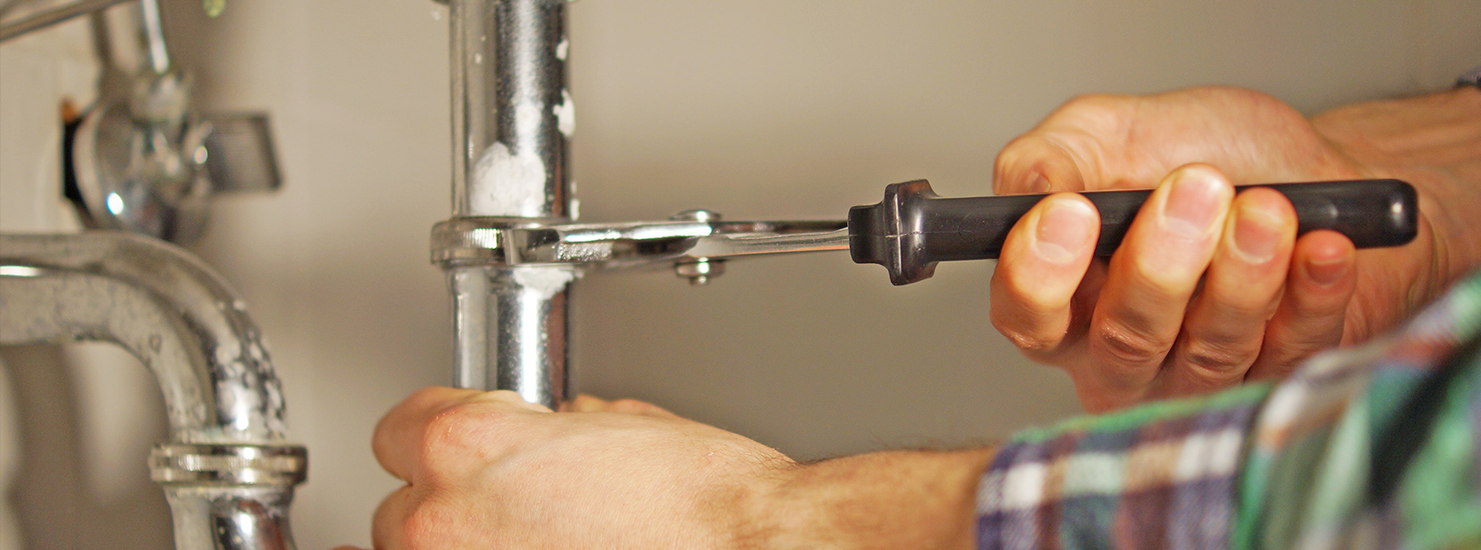
It may feel slightly awkward, but this is the time to test things. Turn on taps and check the water pressure. Flush the toilet and see how quickly it refills. Open cupboards, drawers, windows, and doors. Look at the number and location of electrical outlets. If there’s an appliance included with the apartment, ask whether it’s working and how old it is. You don’t need to conduct a full building inspection, but testing everyday features can reveal problems that aren’t immediately obvious.
Explore the Building and Neighborhood
The apartment itself is only part of the experience. Look at the condition of the entrance, hallways, stairs, elevators, bins, and shared spaces. If there’s a parking area or bicycle storage, check those too. Then take a short walk around the neighborhood. Notice supermarkets, public transport, restaurants, green spaces, traffic, and general noise. Try to imagine doing your normal weekday routine there rather than simply visiting as a potential tenant.
Ask the Questions You Might Regret Avoiding
Don’t be afraid to ask direct questions. Find out what’s included in the rent, which utilities you’ll pay separately, how maintenance requests are handled, and whether there are restrictions on pets, decorating, or subletting. Ask about the deposit, contract length, notice period, and any planned building work. If something seems unclear, get the answer in writing before signing. A few extra questions now can prevent major headaches later.
A good apartment viewing is about more than falling in love with a space. It’s about checking whether the property fits your actual life. Look past the decoration, listen carefully, test the basics, investigate the neighborhood, and ask uncomfortable questions when necessary. The goal isn’t to find an apartment with absolutely no flaws—those are rare. It’s to understand exactly what you’re signing up for so you can decide with confidence.…









 The room size is a crucial factor in selecting a scenting device. Smaller rooms, like bathrooms or closets, might only need a compact or subtle reed diffuser. For larger areas, such as living rooms or open-plan spaces, an ultrasonic or nebulizing diffuser with a more robust output will ensure the fragrance fills the room effectively. Remember that some devices have adjustable settings to suit different room sizes, allowing you to customize the scent intensity as needed.
 Maintenance is often overlooked when choosing a scenting device. Some diffusers require frequent refills and cleaning, while others require less maintenance. Opt for a device that suits your maintenance preference and offers a longer run time. This ensures a hassle-free experience while keeping your home smelling fresh. The right scenting device can elevate your home’s ambiance, making it more inviting and comforting.
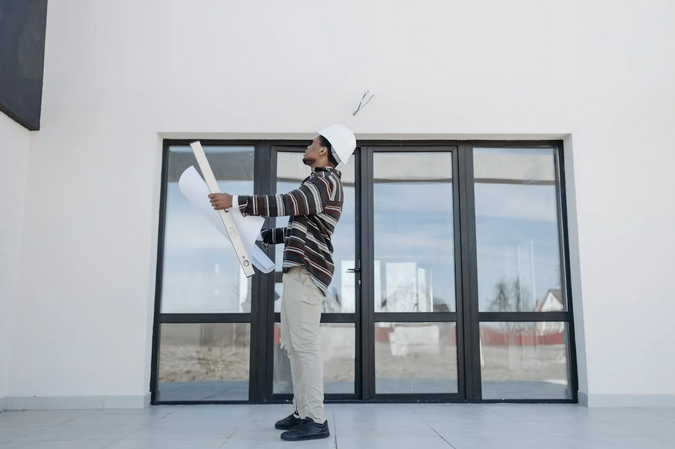

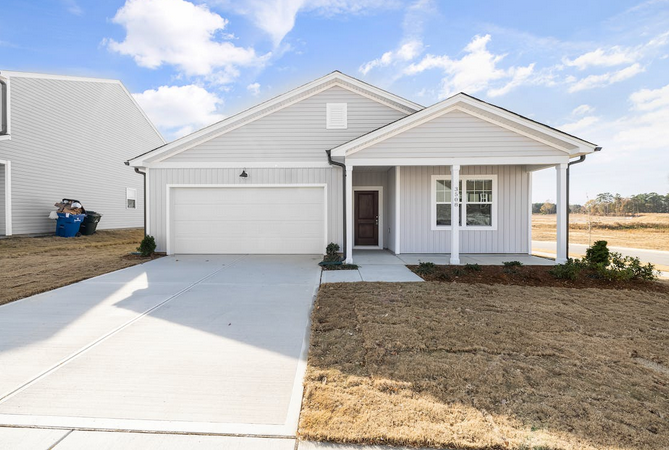

 While they may offer a bright and airy feel, these expansive spaces often come at a cost when it comes to heating and cooling. With fewer walls to contain the air, temperature control becomes more challenging. During colder months, heat tends to escape quickly through the open layout, leading to higher energy bills as you keep maintaining a comfortable temperature throughout your home. Conversely, during hot summer days, cool air can easily dissipate into the vastness of an open floor plan, resulting in increased energy consumption for air conditioning.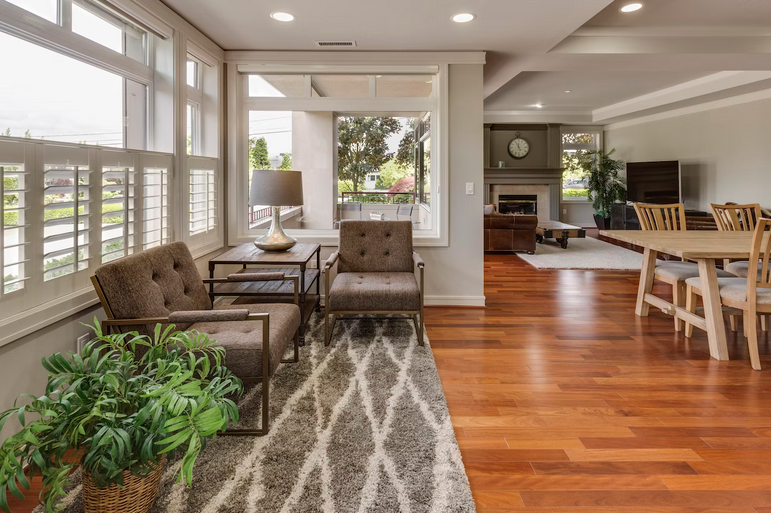
 Did you realize that even the smallest gaps can easily let in cold air, making it difficult to maintain a comfortable temperature? Proper weatherstripping and sealing can be a great way out. So start by carefully inspecting all the windows, doors, and any other openings in your sunroom.
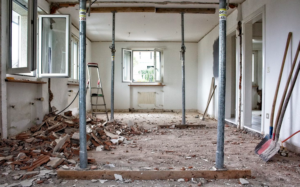 Firebreaks are essentially gaps or barriers designed to prevent the spread of fire from one area to another. In the context of half-timbered houses, these breaks can be strategically placed throughout the structure to minimize the risk and impact of fire incidents. That’s why many architects often also create physical barriers between different parts of the house.

 Does the idea of going away from your home terrify you or even trigger your anxiety for 24 hours? If so, it’s time to install a wireless home security system and put your mind at ease. Wireless home security systems are among the most advanced tools available to protect your home. Most systems come with sensors that detect movement and windows/door contact sensors that alert you when someone tries to break in. They also come equipped with cameras, motion detectors, and even alarms so you can monitor your home even when you’re away.
 The first step to creating space for your hobbies is to declutter. This may seem like an obvious step, but it’s essential to eliminate anything you don’t need or use. For example, if you’re a crafter, do you need all your supplies? If not, get rid of them. The same goes for if you’re a musician. Do you need all of your instruments? If not, sell them or donate them to someone who can use them.
 Finally, another way to create space for your hobbies is to downsize your requirements. This means that you find ways to do your hobby with less stuff. For example, if you’re a photographer, see if you can take photos with your phone instead of using a bulky camera. Or, if you’re a scrapbooker, use digital scrapbooking instead of traditional scrapbooking. We hope these tips have helped you create space for your hobbies in your home.
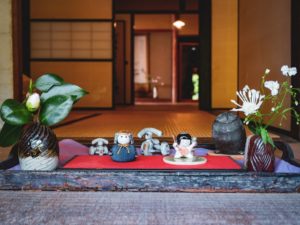 There are four main principles of Japanese minimalism, including simplicity, functionality, natural materials, and clean lines. Simplicity is the essential principle of all. Japanese minimalism is about stripping down your space to only the essentials. It means getting rid of any clutter or excess furniture. You should also avoid using too many colors or patterns. Instead, stick to a neutral color palette. Functionality is another fundamental principle of Japanese minimalism. Every item in your home should have a purpose and be easy to use.
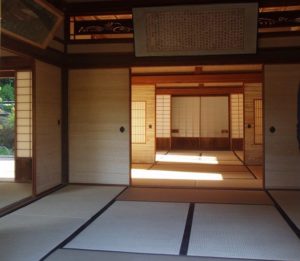 Finally, you can’t complete the Japanese minimalist look without adding some sliding doors or screens. These are typically made of wood and paper and are used to divide up space in a room. They’re also a great way to add some privacy to your home. Japanese sliding doors or screens can be found at most home improvement stores. Sliding doors are a great way to add Japanese minimalism to your home. So there you have it, some practical tips for bringing Japanese minimalism into your home. Just remember to keep it simple, functional, and natural for the best results because these are the keys to absolute minimalism in Japanese.…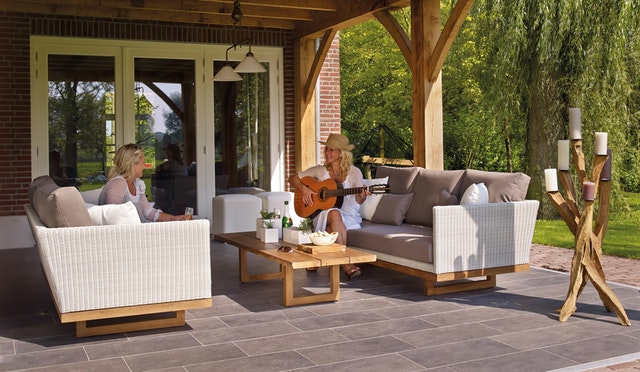

 A large yard can increase your home’s value. It is especially true if the yard is well-landscaped and maintained. Buyers are often willing to pay more for a home that has a beautiful, spacious yard.
 One of the significant benefits of having a large yard is that it provides a place for your children to play safely. You don’t have to worry about them playing in the street or getting into other people’s yards. They can run around and explore without you having to worry.
 Last but not least, a large yard is the privacy it affords you. You can relax in your little world, away from nosy neighbors and prying eyes. If you have kids, they can run and play to their heart’s content without worrying about disturbing the peace. And if you’re an animal lover, you can create a haven for your furry (or feathered) friends.
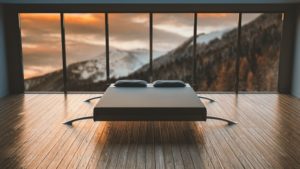 The first excellent feature of adjustable beds is power reclining. It means that you can adjust the angle of the bed to your liking with just a push of a button. You can raise the head of the bed to watch TV or read a book or lower it to take a nap. You can also adjust the legs of the bed to relieve pressure on your back or legs. This feature is beneficial for people with back pain, arthritis, or other conditions that make sleeping in a traditional bed difficult.
 The last excellent feature of adjustable beds is the massage function. This feature allows you to relax and fall asleep with a soothing massage. There are many different massage functions that you can choose from, so you can find the perfect one for you. If you want a more intense massage, you can choose a bed with a stronger motor. If you want a more gentle massage, you can choose a bed with a weaker engine. This feature is beneficial for people who have trouble falling asleep or want to relax before bed.
 One of the most important things to consider when setting up your
  Another thing you’ll want to consider when setting up your makeup vanity is the lighting. It would help if you had good lighting to see all of the details in your hair and makeup.
 Once you have the table and mirror in place, it’s time to add some storage. It is where you’ll keep all of your makeup, hair products, and other beauty supplies. There are many different storage options available, such as drawers, cabinets, shelves, or baskets. Be sure to choose the type of storage that best suits your needs. If you have a lot of makeup, you might want to consider adding some drawers to the table.
 Filtration systems are probably the most common way to purify water at home. There’s a wide range of filters that you can buy. Still, they all work in basically the same way: bypassing your water through layers of different materials like activated charcoal and sand that trap bacteria and other impurities. Filters also usually include disinfectants, like iodine or chlorine, to kill any remaining bacteria. It would help if you considered a few things when choosing a filtration system.
 Chlorination is a chemical treatment that uses chlorine to kill bacteria in water. It’s one of the oldest and most common methods of purifying water, and it’s very effective at killing microorganisms. Municipal water systems and private households use chlorination, and it’s one of the cheapest ways to treat water. The main drawback to chlorination is that you need to add chlorine or bleach regularly, and it can’t kill some types of organisms. For this reason, there are other methods in addition to chlorination: UV light and filtration systems work better for heavy contamination. In contrast, distillation works best if your water contains chemicals like pesticides.