Walls influence a room more than most people expect, and small tweaks can shift the entire atmosphere. Once you check out these decorative wall murals for home, you’ll realize how fast a space can change. You don’t need a full renovation or hours of labor to achieve a noticeable improvement. A few clever adjustments can breathe new energy into any corner of your home.

Accent Panels and Textured Additions

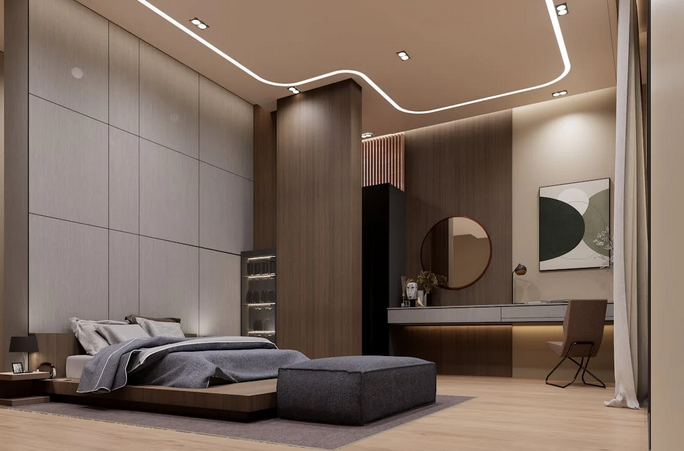
Accent panels offer a straightforward way to bring depth to a flat wall. Wood slats, beadboard, and faux stone panels all create strong visual lines that guide the eye. They feel polished without demanding much work. Even a single panel section can reshape an entry or living room. Try placing panels behind a bed, sofa, or desk. These areas benefit from a sense of structure. Panels also help frame furniture and pull the space together without fuss. Like, you can actually add slim vertical slats in your hallway, and it will feel like your home grows extra character overnight.

Wallpaper Murals for Dramatic Change

wallpaper

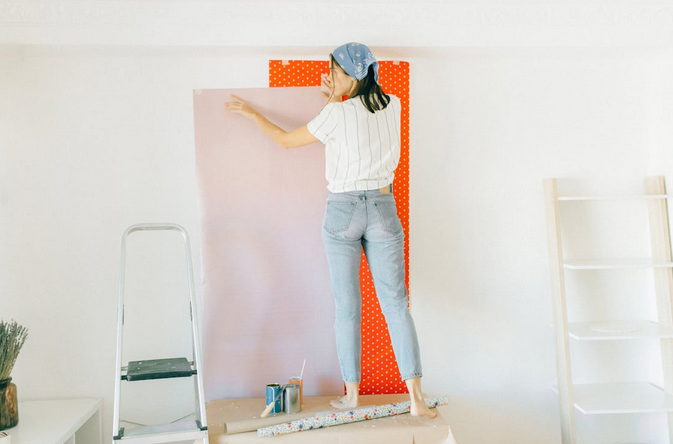
Wallpaper murals create one of the strongest transformations with almost no heavy work. They turn a plain wall into a focal point that feels expressive and immersive. Scenic prints, abstract designs, and nature-inspired textures all offer different moods. These murals also help brighten rooms that feel dull or cramped. Choose a wall that naturally draws attention, such as behind a sofa or dining table. The mural becomes a built-in centerpiece. It anchors the space instantly. Even smaller rooms can benefit, as murals often make them feel more expansive. They add personality without needing extra decor.

Bold Paint Blocks

Paint blocks deliver an instant punch with minimal effort. Instead of covering the entire wall, focus on shapes—arches, rectangles, or simple stripes. These geometric touches add personality and help define areas without feeling overwhelming. They also allow you to play with color in a controlled way. Use a contrasting tone for maximum effect. A warm shade around a reading chair sets a cozy scene. A soft pastel block can soften a workspace. The key is keeping the shape crisp so it feels intentional. This method works well for renters or anyone who enjoys experimenting with style.

Removable Decals and Artistic Stickers

decals

Decals are ideal if you want fast results without commitment. They’re simple to apply, simple to reposition, and simple to remove. Shapes, quotes, and patterns all work well depending on your style. Decals also let you shift accents seasonally or whenever the room feels flat.

Shelf-Based Wall Styling

Floating shelves can transform a wall with both function and charm. They provide space for books, plants, or small decorative pieces. The arrangement itself becomes part of the design. This lets you adjust the look anytime with just a few swaps. Try mixing heights and shapes for depth. A tall plant next to stacked books creates balance. Simple objects like candles or pottery fill empty gaps. Shelves are perfect for people who enjoy small, frequent updates. They offer a quick way to refresh a wall without starting a new project.

Small, smart wall upgrades can pack more punch than many large renovations. Each approach adds character without draining your energy or budget. Try one idea or try several, and watch your rooms feel brighter, sharper, and more inviting with very little effort.…

Architecture has always relied on creativity, experience, and precision to bring structures to life. Today, however, artificial intelligence (AI) is transforming the way architects approach design, planning, and construction. AI is no longer a futuristic concept; it is actively reshaping how buildings are conceptualized, visualized, and executed. From optimizing layouts to predicting structural challenges, AI tools are providing architects with capabilities that were previously unimaginable. For those interested in how AI is changing the field of architecture, DIE BRANDENBURGER provides an in-depth overview of current innovations and emerging applications. The following roles illustrate AI’s most significant contributions to modern architectural planning.

Optimizing Design Efficiency

One of AI’s primary roles in architecture is improving design efficiency. AI algorithms can analyze thousands of building layouts and generate multiple design options within minutes, which would take humans weeks to accomplish. When producing alternatives, these systems consider factors such as natural lighting, spatial flow, structural stability, and even energy efficiency. By presenting various viable designs, AI helps architects explore more possibilities quickly and make informed decisions. This accelerates the creative process while maintaining high functionality and aesthetic appeal standards.

Enhancing Sustainability and Energy Planning

Sustainable design is a growing priority in modern architecture, and AI assists architects in creating environmentally conscious buildings. AI-powered software can simulate energy consumption, predict heating and cooling needs, and recommend materials that minimize ecological impact. Architects can also model how buildings respond to seasonal changes and optimize orientations for maximum natural light and ventilation. By integrating sustainability considerations into early planning stages, AI ensures that homes, offices, and public structures are eco-friendly and cost-effective over their lifespan.

Providing Predictive Analysis for Construction Challenges

Providing Predictive Analysis for Construction Challenges

Another crucial role of AI is predicting potential construction obstacles. Through the analysis of historical data of projects, AI can forecast risks such as structural weaknesses, material shortages, or scheduling conflicts. This predictive capability allows project managers and architects to address issues before they become costly delays proactively. By reducing uncertainty, AI contributes to safer, more efficient construction processes, ensuring that projects adhere closely to their planned timelines and budgets.

Automating Routine Tasks

AI is also instrumental in handling repetitive or time-consuming tasks. Generating detailed blueprints, calculating load capacities, or preparing regulatory compliance documents can be automated, freeing architects to focus on creative decision-making and complex problem-solving. This automation reduces human error, increases precision, and accelerates project development. Additionally, AI can continuously update models as design parameters change, keeping documentation accurate and aligned with the latest revisions.

Facilitating Collaboration and Communication

Modern architectural projects often involve multidisciplinary teams, including engineers, interior designers, urban planners, and clients. AI tools help facilitate collaboration by integrating data from multiple sources into cohesive, real-time visualizations. Stakeholders can review designs, suggest modifications, and understand technical implications without confusion. By providing clear and interactive representations of buildings at different stages, AI enhances communication and ensures that all team members are aligned, reducing misinterpretations and improving project outcomes.

Artificial intelligence has become essential to modern architectural planning, enhancing design efficiency, promoting sustainability, predicting construction challenges, automating routine tasks, and facilitating collaboration. By combining computational power with human creativity, AI allows architects to produce more innovative, practical, and environmentally responsible designs. As technology evolves, these tools will further redefine the architectural profession, making designing and constructing buildings faster, more intelligent, and more adaptive to the needs of modern society. Embracing AI in planning improves efficiency and elevates the overall quality and functionality of architectural projects.…

There’s something about stepping into a space and immediately feeling at ease. A home doesn’t have to be grand or expensive to give you that sense of belonging. Sometimes, all it takes are a few smart changes to flip the switch from sterile to soulful. If your house still feels like someone else’s, or worse—like no one’s at all—don’t worry. A few tweaks in the right places can shift the entire energy of a room. Here’s how to start without tearing the place apart or draining your wallet.

Lighting That Sets the Mood

lighting

Lighting can change a room faster than new furniture. It’s the difference between a warm hug and a cold handshake. Overhead lights are useful, but they rarely create comfort. Try floor lamps with soft bulbs or a strand of warm fairy lights around a mirror. Swap out cold white bulbs for warm-toned ones to soften the feel instantly. Candles, even the battery-operated kind, add a cozy vibe too. Layering light in different corners makes rooms feel lived-in, not showroom-ready.

Garden Spaces That Whisper ‘Home’

You don’t need a big yard to have a meaningful garden. Even a balcony with a few pots can bring life into your day. A mini herb garden in the kitchen window does double duty—useful and uplifting. Plants, even a couple of them, make a place feel cared for. They show you’ve put time into your space, and buyers or visitors often pick up on that. Gardens slow you down, and understanding how to plan and organize your garden space helps make the most of those quiet moments. Whether it’s watering a plant or watching something bloom, it builds a quiet connection.

garden

Textures That Invite You in

Fabrics can turn a room from “meh” to “mine.” Throw pillows, blankets, and rugs don’t just look good—they ask you to stay a while. A soft rug underfoot can make even a rental feel more personal. Mix-up materials: a chunky knit, a linen curtain, and a velvet chair. Texture creates depth without clutter. And don’t overthink the colors—go with what makes you feel calm, happy, or just a little indulgent.

Little Personal Touches That Tell a Story

frames

Photos, keepsakes, and oddball souvenirs often do more for a home than any big renovation. Frame that concert ticket or hang up your grandma’s quirky painting. These small details tell your story, and that’s what makes a space truly yours. Don’t worry about matching everything—character is better than coordination. A few meaningful objects can change how you relate to your home. It’s like leaving the breadcrumbs of your life scattered around.

Turning a house into a home isn’t about perfection. It’s about moments, comfort, and care. You don’t need a designer or a giant budget to make it happen. Just start small. A lamp here, a plant there, maybe a pillow that makes you smile. Before you know it, you’ll walk in the door and think, “Yep, this is my place.” And really, that’s the best feeling of all.…

A home garden can be so much more than just a patch of dirt. It’s a canvas where nature meets creativity, breathing life into your property and transforming it from ordinary to extraordinary. Picture vibrant blooms, lush greenery, and the gentle rustle of leaves in the breeze—all elements that can elevate your curb appeal dramatically. Whether you’re an avid gardener or someone who’s just starting out, cultivating a home garden offers endless possibilities.

Ideas from https://www.lyliarose.com/blog/read_194876/cheap-diy-garden-ideas.html not only enhance the visual charm of your space, but also create an inviting atmosphere for guests and passersby alike. Let’s explore how incorporating a garden into your landscape design can change everything about how your home is perceived—from adding color to boosting its value.

Adds Color and Life

Bringing a home garden to life means introducing vibrant colors and textures that can instantly lift your property’s visual appeal. Imagine radiant flowers bursting with hues of red, yellow, and purple swaying gently in the breeze. These lively splashes of color not only attract attention but also invite positive energy into your outdoor space. The seasonal changes add variety too; spring blossoms give way to summer foliage, while autumn leaves create a warm tapestry of oranges and golds. A well-planned garden offers diversity through various plant types—think perennials paired with annuals for year-round interest. This diverse palette can evoke emotions and spark joy for anyone who walks by.

Creates a Focal Point

A home garden serves as a striking focal point that draws the eye. Whether it’s vibrant flowers, lush greenery, or unique sculptures, a well-designed garden captures attention. Consider creating pathways that lead visitors through your garden. This not only highlights different areas but also invites exploration. A central feature like a birdbath or bench can anchor the space and provide a spot for relaxation. The arrangement of plants is crucial too. Layering taller plants behind shorter ones adds depth and intrigue.

Improves Overall Aesthetic

house plants

A home garden can transform the look of your property in remarkable ways. Vibrant flowers, lush greenery, and well-placed plants add a visual richness that plain lawns simply can’t offer. Think about the textures and colors. They bring life to otherwise dull spaces, creating an inviting atmosphere for passersby. A carefully curated garden reflects personal style and attention to detail. Pathways lined with seasonal blooms or neatly trimmed hedges guide visitors through your outdoor space, making it feel more cohesive and planned. Every element works together to create harmony.

Increases Property Value

A well-maintained home garden can significantly boost your property value. Potential buyers are often drawn to homes with vibrant outdoor spaces. A lush garden suggests care and attention, making the entire property more appealing. Landscaping is one of the first things buyers notice. Attractive gardens create a welcoming atmosphere that invites exploration. This positive impression can lead to higher offers during negotiations. Moreover, certain plants and features can enhance perceived value.

Encourages Outdoor Living

A home garden transforms your outdoor space into a vibrant haven. It invites you to step outside, breathe fresh air, and enjoy nature’s beauty. Imagine sipping coffee surrounded by blooming flowers or reading a book under the shade of a tree. These moments foster relaxation and recharge your spirit. Gardens also create an ideal setting for gatherings with family and friends. Whether it’s a barbecue or simply sharing stories on the porch, greenery enhances every experience. Plus, gardening can be an engaging hobby that promotes physical activity.

A home garden can be a transformative element for any property. Its vibrant colors and lush greenery breathe life into an otherwise ordinary facade. By carefully planning your garden, you create visually appealing focal points that draw the eye and engage visitors. Investing time in cultivating a home garden goes beyond mere decoration; it enriches daily life while enhancing curb appeal in lasting ways. A flourishing garden is not just about beauty—it’s about creating an environment where joy thrives, making every glance at your home feel special.…

When it comes to moving, everyone knows about the chaos of packing boxes and coordinating logistics. But what happens behind the scenes? As you juggle your to-do list and countdown to moving day, there’s a whole world of stress factors lurking just out of sight—those unsung heroes (and villains) that can turn your relocation from an exciting new beginning into a logistical nightmare. From hidden costs and scheduling conflicts to personality clashes with movers, these overlooked elements can add layers of anxiety you never anticipated.

The Cost Can Add Up Quickly

One of the first things you’ll notice about hiring movers is that it’s not exactly cheap. While the price can vary depending on the distance of the move, the size of your home, and the amount of stuff you have, the costs can quickly escalate. Movers typically charge by the hour, and you might also need to factor in extra fees for things like special equipment, packing materials, or handling heavy or delicate items. Plus, if there are any last-minute changes or delays (maybe you need to delay the move-in time or you find you need an extra truck), the costs can increase even more. What seemed like an affordable service might turn into an unexpected financial strain. So, it’s a good idea to get clear estimates and make sure you understand the pricing structure before signing anything. Since most service providers like man with a van in Bromley offer free quotes, use them to get an idea of the cost.

Scheduling and Availability Can Be Tricky

While hiring movers can save you time, scheduling can sometimes be a headache. Movers tend to be in high demand, especially during peak moving seasons like summer or around the end of the month when lease agreements end. You might find that the movers you wanted are fully booked or not available on your preferred moving day. This could lead to you having to adjust your timeline or even scramble to find another available moving company. If you’re on a tight schedule or need to coordinate with other events, this can add stress to the process. To avoid this, it’s best to book your movers as early as possible and confirm your date well in advance. This gives you more flexibility and ensures you’re not left in a last-minute scramble.

Scheduling and Availability Can Be Tricky

Trusting Strangers with Your Belongings

Let’s face it: when you hire professional movers, you’re trusting strangers with all of your personal belongings. Even if they come highly recommended, there’s always a small sense of vulnerability involved. What if something gets lost? What if something breaks? What if they take longer than expected? While most movers are experienced professionals who handle belongings with care, accidents happen. If you’re moving valuables or fragile items, this can be a particularly stressful thought. Even with insurance coverage, you might feel uneasy handing over the responsibility for your prized possessions.

Coordination Between You and the Movers

When you hire professional movers, you’re essentially entering into a partnership. You have to be on the same page with them in terms of timelines, expectations, and how your belongings will be handled. Miscommunication can lead to frustration, delays, or misunderstandings. For example, if the movers don’t know exactly how you want certain items packed, or if you’re not clear about which boxes go in which room, things can get messy fast. The stress comes from trying to coordinate everything perfectly. It’s not just about sitting back and letting the movers do their thing—you’ll need to oversee the process and be prepared for questions, requests, or last-minute changes.

The Risk of Hidden Fees or Damage

Professional movers generally do a great job, but there’s always the possibility of things going wrong. Maybe an item gets scratched during transport or something gets left behind at the old house. Or, there could be hidden fees that weren’t explained upfront—like charges for stairs, long carry fees, or the cost of extra packing materials. Before you hire movers, be sure to read through the fine print of your contract. Ask about potential hidden costs and clarify what’s included in the price. And while insurance is typically offered, double-check what it covers. It’s always better to go into the move with all of your ducks in a row to avoid any surprises later.

The Risk of Hidden Fees or Damage

Over-Packing and Unpacking Stress

While you might think that hiring movers will take care of all the packing and unpacking, many moving companies offer packing as an additional service for a fee. If you’re doing the packing yourself, you may still feel overwhelmed by the process, especially if the movers show up and are ready to load up your house before you’ve finished packing everything. This can add stress on top of an already stressful situation. Similarly, when you get to the new house, the unpacking can feel like a never-ending task. Sure, the movers might unload everything for you, but they won’t unpack your boxes or organize your new place. That responsibility is still on you, and depending on how much you have to unpack, it can feel like an exhausting marathon.

Feeling Out of Control

While you might be thrilled to hand off the heavy lifting, there can be a sense of loss of control when you hire professional movers. You might be used to doing everything yourself or having your family help, and trusting someone else to take the reins can be stressful. You might worry about the movers not treating your items the way you would, or being unsure about how efficiently everything is getting done. To minimize this feeling, stay engaged in the process. Communicate openly with the movers, check in during the move, and ask questions if you’re unsure about anything. Being proactive helps you feel more in control and reduces the stress of giving up full responsibility. In the end, while hiring professional movers can certainly make your move easier in many ways, it’s not entirely stress-free. Understanding the potential hidden stresses—like costs, scheduling, …

Moving into a new home is an exciting adventure. It’s a time filled with possibilities, fresh beginnings, and the promise of new memories. However, amidst all the excitement, it’s easy to overlook some crucial steps that can make your transition smoother. Whether you’re upgrading from an apartment or buying your dream house, certain blunders like not using man and van services in Wood Green can turn this joyous occasion into a stressful ordeal. To help you navigate this journey like a pro, let’s dive into some common pitfalls you should avoid when moving into your new abode.

Not Researching the Area and Neighborhood

Choosing a new home is about more than just the house itself; it’s also about the neighborhood. Failing to research your area can lead to surprises. Consider the local amenities. Are there schools, parks, or grocery stores nearby? Understanding what’s available will help you settle in comfortably. Safety is another crucial factor. Look into crime rates and community resources. Feeling secure in your surroundings makes all the difference. Think about your commute as well. Proximity to work or public transport can significantly impact your daily routine and overall happiness in that space you now call home. Taking time to understand these aspects will help ensure you love not just your house but also where it stands.

Neglecting to Label Boxes Properly

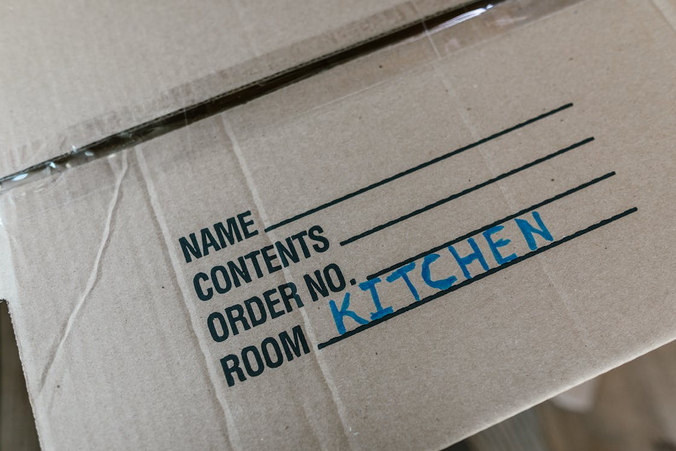
When moving into a new house, the excitement can sometimes overshadow the details. One critical detail is labeling your boxes properly. Imagine arriving at your new home and seeing a mountain of unlabeled boxes. The chaos can be overwhelming. Searching for essential items like toiletries or kitchenware becomes a frustrating scavenger hunt. Clear labels save time and energy. Use specific descriptions rather than vague terms like “miscellaneous.” A little effort goes a long way in organizing your move. Don’t forget to include fragile indicators on delicate items. This simple step helps prevent breakage during the hustle of unpacking. Taking these precautions allows you to settle into your new space with ease and enjoy the journey ahead without unnecessary stress.

label

Not Hiring Professional Movers

Many homeowners underestimate the challenges of moving. They think they can handle everything with a few friends and some pizza. However, this approach often leads to chaos. Professional movers come equipped with experience and specialized tools. They know how to maneuver large furniture through tight spaces without causing damage. That antique dresser you cherish? It deserves more than just muscle power. Investing in professional movers might seem like a splurge upfront, but consider it a valuable investment in peace of mind as you settle into your new home comfortably.

Forgetting to Notify Necessary Parties of Address Change

Moving into a new home comes with a long list of tasks. One crucial step often overlooked is notifying important parties about your address change. Failing to inform utility companies can lead to service interruptions. Imagine settling into your new house only to find no electricity or water on a moving day. Don’t forget the postal service either. Updating your address ensures that mail and packages don’t get lost in transit. Missed bills or essential documents can create unnecessary stress. Consider informing banks, insurance providers, and subscription services as well. An outdated address may cause complications with financial statements or policy details.

Moving into a new home can be an exciting journey, but it’s also filled with potential pitfalls. By avoiding these common blunders when moving into a new home, you’ll be able to focus on making happy memories in your new space instead of dealing with unnecessary stressors. So, take the time to plan and avoid these mistakes for a successful move into your dream home.…

Creating the perfect home ambiance goes beyond just furniture and decor; it’s about engaging the senses, particularly smell. The right scent can transform any room, evoke emotions, and influence how we feel. With various scenting devices available, from candles to essential oil diffusers and room sprays, selecting the ideal one for your space can be challenging. Not all devices are created equal; factors such as room size, design aesthetics, and functionality play crucial roles.

For instance, a compact diffuser might work wonders in a cozy bedroom, while larger spaces may require a more powerful device to distribute fragrance evenly. If you’re exploring high-end options, check out this honest review of the Vitruvi essential oil diffuser at https://bychloewen.com/all-topics/is-the-vitruvi-essential-oil-diffuser-worth-it-best-oil-diffuser-honest-review to see if it’s the right choice for your home. This article will explore the top tips to help you choose the perfect scenting device to enhance your living space.

Consider Room Size

The room size is a crucial factor in selecting a scenting device. Smaller rooms, like bathrooms or closets, might only need a compact or subtle reed diffuser. For larger areas, such as living rooms or open-plan spaces, an ultrasonic or nebulizing diffuser with a more robust output will ensure the fragrance fills the room effectively. Remember that some devices have adjustable settings to suit different room sizes, allowing you to customize the scent intensity as needed.

Choose the Right Fragrance Delivery Method

Different scenting devices use various methods to disperse fragrance. Essential oil diffusers typically use ultrasonic technology, while nebulizing diffusers rely on air pressure. Candles release scent through heat, and room sprays offer instant fragrance. Decide which method aligns with your lifestyle. An electric diffuser might be ideal if you prefer a flame-free, hands-off approach. However, if you love the ambiance of a flickering candle, go for a high-quality scented candle.

Match the Device to Your Decor

Scenting devices often double as decor pieces. Choose one that complements your interior style. A sleek, minimalist diffuser can enhance a modern setting, while a vintage candle holder can charm a classic room. Your device should spread a delightful aroma and seamlessly blend with the room’s aesthetic.

Prioritize Safety Features

Safety is paramount, especially if you have children or pets. Look for scenting devices with automatic shut-off features, especially for electric diffusers. If you choose candles, opt for sturdy containers that prevent spillage. Diffusers that only operate when the lid is securely in place can be an added safety measure.

Consider Maintenance and Longevity

Maintenance is often overlooked when choosing a scenting device. Some diffusers require frequent refills and cleaning, while others require less maintenance. Opt for a device that suits your maintenance preference and offers a longer run time. This ensures a hassle-free experience while keeping your home smelling fresh. The right scenting device can elevate your home’s ambiance, making it more inviting and comforting.


By considering room size, fragrance delivery method, decor compatibility, safety features, and maintenance, you can find the perfect device for your space. With the ideal scenting solution, your home will smell incredible and reflect your style and personality, creating a haven you’ll love to retreat to.…

Finding your next home is an exciting journey filled with dreams and possibilities. Whether you’re a first-time buyer or looking to upgrade, this decision can shape your life for years to come. With so many factors at play, it’s easy to feel overwhelmed. But don’t worry! By focusing on the key elements that matter most, you can simplify the process and find a place that truly feels like home. Ready to dive into what really counts when choosing your next abode? Let’s explore the essential considerations together.

Location

Location plays a pivotal role in your home-buying journey. It influences not just the property value but also your lifestyle. Consider what’s important to you—proximity to work, schools, or recreational areas. When it comes to healthcare, there are also communities that have medical centers. Certain roofing companies support some medical centers.

These roofing companies offer certain services. Asphalt shingle roof installation is one of them. Think about the neighborhood vibe as well. Do you prefer a bustling urban scene or a quiet suburban retreat? Each location offers its own unique charm and challenges. Look into local amenities, too.

Budget

Your budget is a crucial factor when choosing your next home. It sets the stage for what you can realistically afford and helps narrow down your options. Start by determining how much you can spend without stretching yourself too thin. Consider all costs, not just the mortgage. Property taxes, insurance, maintenance fees, and utilities all add up. Remember potential renovations or repairs. Older homes might seem like a bargain but could require significant investment to bring them up to standard. Additionally, think about future financial goals.

home

Size and Layout

When choosing your next home, size, and layout are crucial elements that can significantly impact your lifestyle. Consider how much space you truly need. Are you a growing family or someone who enjoys hosting friends? Think about the number of bedrooms and bathrooms required for comfort. A well-designed layout can enhance daily living by providing easy flow between spaces. Open-concept designs often feel more spacious and inviting, while traditional layouts offer defined areas for specific activities. Visualizing how you’ll use each room helps you select the right arrangement.

Condition of the Property

When choosing a home, the property’s condition must be considered. You want to ensure it isn’t just visually appealing but also structurally sound. Look beyond fresh paint and new carpets; inspect foundational elements like walls, roofs, and plumbing. Consider hiring a professional inspector for an unbiased evaluation. They can spot issues that might escape your eye, saving you money in the long run. Pay attention to signs of water damage or mold—these can lead to serious health problems. Remember appliances and systems such as HVAC or electrical wiring.

Choosing your next home is a significant decision. It involves carefully considering several factors that can impact your quality of life. The right location can enhance daily commutes and access to amenities while sticking to your budget ensures financial stability. Size and layout are essential for comfort, allowing you to envision how to use each space. The property’s condition plays a vital role, too; investing in repairs might not be what you want right now. You’ll find a place that feels like home by weighing these elements thoughtfully. Take the time needed to explore all available options, ensuring your choice aligns with current needs and future aspirations. Happy house hunting.…

Building a new home can be both exhilarating and daunting, especially when you are faced with the challenge of staying within budget. However, constructing a cost-effective home doesn’t mean you have to compromise on quality. Innovative approaches in planning, material selection, and project execution can significantly reduce costs while maintaining high construction and design standards. By leveraging these strategies, you can perfectly balance affordability and quality, ensuring your new home is beautiful and built to last. For more information, check out this helpful guide at https://www.hausbauhelden.de/ratgeber-fertigbau/mit-ein-paar-klicks-zum-traumhaus-haeuser-online-konfigurieren-mit-ki/.

Efficient Use of Materials

Choosing the right materials will significantly impact your budget. Look for durable, cost-effective alternatives to expensive materials. For instance, instead of natural stone, consider high-quality engineered stone or concrete, which offers a similar aesthetic at a lower price. Purchasing materials in bulk or sourcing locally can also reduce costs. Furthermore, using recycled or reclaimed materials saves money, adds a unique character to your home, and promotes sustainability.

Smart Planning and Design

One effective way to save money in home building is through meticulous planning and thoughtful design. Engaging a skilled architect or designer early in the process can help you create a design that maximizes space and minimizes waste. Opt for a simple, compact floor plan with an open layout to reduce construction costs. Avoid overly complex shapes and unnecessary architectural details, which can increase labor and material expenses. Additionally, incorporating multi-functional spaces can reduce the need for additional rooms, thereby cutting costs.

design

Energy-Efficient Features

Investing in energy-efficient features can lead to substantial long-term savings. Initially, the upfront cost might be higher, but these features will pay for themselves over time through reduced utility bills. Install high-efficiency windows, proper insulation, and energy-efficient appliances. Incorporate solar panels or a solar water heater to harness renewable energy. These investments lower your ongoing energy costs and increase your home’s overall value and sustainability.

DIY Projects and Sweat Equity

Taking on some of the work yourself can significantly reduce labor costs. While it’s important to leave complex tasks like electrical wiring and plumbing to professionals, there are many aspects of home building where DIY efforts can be effective. Painting, landscaping, and installing fixtures are tasks that most homeowners are able to handle with some guidance. Not only does this save money, but it also allows you to add a personal touch to your home.

Flexible Financing Options

Exploring various financing options can also help you manage your budget more effectively. Look for loans with favorable terms and interest rates. Some government programs give grants or low-interest loans for energy-efficient home projects. Additionally, consider a phased construction approach if your budget is tight. By building in stages, you can spread out the costs over time without compromising your home’s overall quality and vision.

Building a new home on a budget requires strategic planning, smart material choices, and a willingness to participate. By focusing on efficient design, opting for cost-effective materials, incorporating energy-efficient features, undertaking DIY projects, and exploring flexible financing choices, you can create a high-quality home that doesn’t break the bank.…

We’ve all been there; it’s time to do the laundry, and you head down to the basement only to be hit with an overwhelming musty smell. Your first thought is probably that your basement is damp or wet, and you’re right. Basements are notorious for being absolutely damp and musty, but it doesn’t mean that you have to live with it. In fact, dampness in your basement can lead to a host of problems that you definitely don’t want to deal with.

That’s why it’s essential to combat dampness in your basement before it gets out of hand. We’ve done a bit of research and come up with these valuable tips. So why not give these a try? These are some of the tips that you can use to keep your basement dry and free of moisture.

Ensure Effective Drainage

pipe

Proper drainage is not negotiable when it comes to keeping your basement dry. If you read a post from Immoportal, you’ll learn that without effective drainage, water can easily seep into your basement through all those cracks in the foundation or even from the ground itself.

First of all, ensure that your gutters and downspouts are directing water away from the foundation of your home. Next, let’s learn about how to grade around your home for effective drainage. The soil should always slope away from the foundation, allowing rainwater to flow away instead of pooling near the walls. If you notice any low spots or areas where water tends to collect, consider adding more soil or adjusting the slope accordingly.

Seal Cracks and Gaps

Moving on to these tiny openings, they may not seem like a big deal, but they can actually be a major source of moisture infiltration. When water seeps through these cracks, it can lead to mold growth and structural damage.

To seal cracks and gaps, start by examining the walls, floors, and foundation for any visible signs of damage. Pay close attention to areas where pipes or utility lines enter your basement, as these are common entry points for water. Use an epoxy or polyurethane-based sealant to fill in these gaps securely.

Improve the Ventilation

vent

Basically, good airflow helps remove excess moisture and prevent it from accumulating, ultimately reducing the risk of mold growth and other issues. There are a few simple steps you can take to improve ventilation in your basement. Make sure that air vents or windows are not blocked by furniture or clutter. Clearing these areas allows for better circulation of fresh air.

Additionally, consider using fans or dehumidifiers to enhance airflow and control humidity levels. These devices can help remove stale air and replace it with drier air, preventing condensation from forming on surfaces.

Apply Waterproofing Paints

When it comes to combating dampness in your basement, one effective solution is applying waterproofing paints. These specialized paints are designed to create a protective barrier on your walls and floors, preventing moisture from seeping through.

Not only do these paints add an aesthetic touch to your space, but they also provide long-lasting protection against moisture intrusion. The unique formulation of waterproofing paints creates a solid barrier that prevents water molecules from penetrating the surface. This helps keep your basement dry and free from mold or mildew growth.…

Renovating properties not only allows you to increase their value but also gives you the opportunity to put your own personal touch on each project. However, approaching a renovation without a clear plan can lead to costly mistakes and endless headaches.

That’s why we’re here – to guide you through proven strategies that will help turn those rundown properties into irresistible homes or profitable investments. In today’s post, we’ll share some expert tips and tricks for renovating fixer-uppers like a pro.

Prioritize High-Impact Areas

home

When it comes to renovating fixer-uppers, one of the most important strategies is to prioritize high-impact areas. Just like mentioned in ourfamilyplace, these are the parts of a property that can make a such huge difference in its overall appeal and value.

The key is to focus on the exterior. Curb appeal basically says a lot about your home when it comes to attracting potential buyers or tenants, so investing in landscaping, painting the front door, and repairing any visible damages can go a long way. Next, turn your attention to the kitchen and bathrooms.

Go for Budget-Friendly Aesthetic Enhancements

When it comes to renovating fixer-uppers, budget-friendly aesthetic enhancements can make a big impact without breaking the bank. By focusing on simple yet effective upgrades, you can transform a rundown property into an attractive and appealing space.

One of the easiest ways to enhance the aesthetics of a property is by giving it a fresh coat of paint. A new paint job can instantly brighten up any room and make it look clean and inviting. Replacing outdated fixtures is another cost-effective way to improve the overall look of your investment property.

Consider Energy-Efficient Upgrades

In today’s world, where sustainability and energy conservation are becoming increasingly important, incorporating energy-efficient upgrades into your renovation projects can be a game-changer. Not only will these upgrades help reduce the environmental impact of your property, but they can also save you money in the long run.

That said, try replacing your traditional bulbs with LED lights and see how much money you can save from your monthly bills. Next, let’s move on to your insulation. By upgrading insulation materials and sealing any air leaks, you can create a more comfortable living environment while reducing your reliance on heating and cooling systems.

Run a Thorough Inspection and Set a Proper Plan

Run a Thorough Inspection and Set a Proper Plan

If you really want to get such a great result at the end, be sure not to overlook any aspect, including the electrical and plumbing systems. That’s why hiring professionals such as home inspectors can be a great help. They can pinpoint areas that require immediate attention or potential problems down the line. By conducting this thorough inspection, you’ll have a clear understanding of what needs to be done and how much it will cost.

Once you’ve gathered all the necessary information from your inspection, it’s time to set a proper plan in motion. Having a well-thought-out plan is essential for staying organized throughout your renovation journey. It allows you to allocate resources efficiently and ensures that each task is completed in sequence without unnecessary delays.

With determination and smart choices along the way, you’ll soon find yourself turning those rundown properties into beautiful gems that not only provide financial rewards but also make a positive impact on communities one house at a time.…

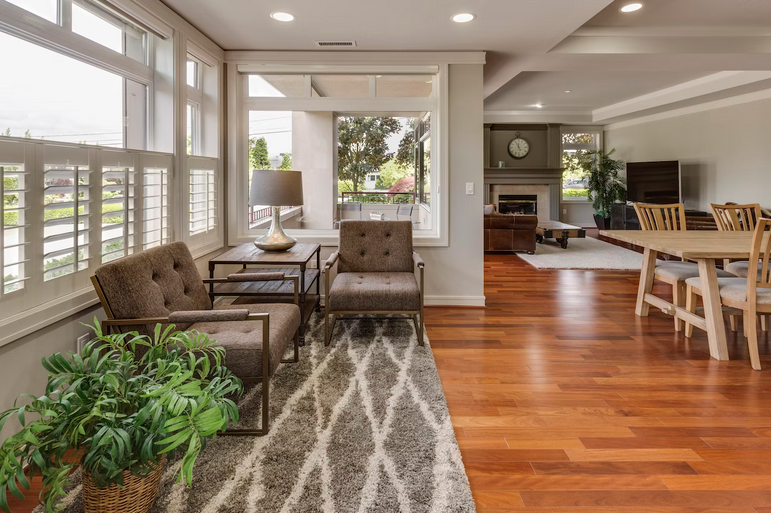
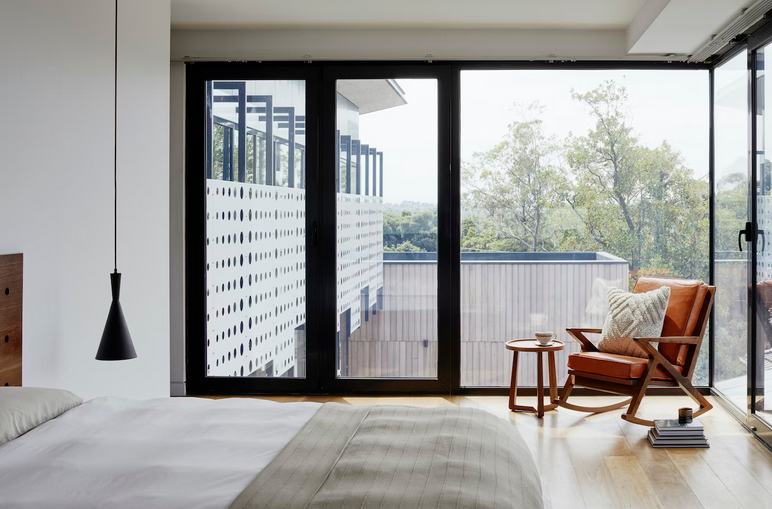
We all know that open-concept floor plans have been the go-to design choice for years, promising a spacious and inviting atmosphere. But just like mentioned here at bau.de, as trends evolve, so do our preferences. Open floor plans are slowly falling out of favor, making way for more traditional layouts that prioritize privacy and functionality. But why exactly do people leave this trend? Here is the answer.

No Dedicated Rooms

In a traditional home layout, each room serves a specific purpose and provides privacy for its occupants. However, in an open floor plan, walls are torn down to create larger spaces that blend together. While this may seem like a great idea for promoting social interaction and creating a sense of spaciousness, it comes at the cost of individuality and functionality.

Without dedicated rooms, it becomes challenging to find a quiet space for focused work or relaxation. The absence of separate areas also poses difficulties when it comes to organizing household belongings or accommodating different activities simultaneously. Furthermore, without defined boundaries between living spaces, noise from one area easily travels throughout the entire house.

Not an Ideal Energy Efficient Option

lightingWhile they may offer a bright and airy feel, these expansive spaces often come at a cost when it comes to heating and cooling. With fewer walls to contain the air, temperature control becomes more challenging. During colder months, heat tends to escape quickly through the open layout, leading to higher energy bills as you keep maintaining a comfortable temperature throughout your home. Conversely, during hot summer days, cool air can easily dissipate into the vastness of an open floor plan, resulting in increased energy consumption for air conditioning.
High Costs for Building and Maintenance

Constructing an open floor plan also requires a significant amount of structural work. Walls need to be removed or relocated, which can involve complex engineering and construction processes. This translates into higher labor costs as well as potential disruptions to existing electrical, plumbing, and HVAC systems. Furthermore, maintenance expenses tend to be higher in open spaces compared to traditional room setups. With fewer walls dividing different areas of the house, there’s a greater chance for wear and tear on surfaces like floors and walls. Additionally, noise control becomes more challenging without barriers to dampen sound transmission.

Goodbye to Privacy

big room

Privacy is a precious commodity that seems to be fading away in the age of open floor plans. With walls and doors becoming obsolete, the concept of personal space is being challenged. Gone are the days when you could retreat to your room and have some time alone or engage in private conversations without fear of being overheard. In an open floor plan, there are no boundaries to separate different activities within a home. The lack of walls means that noise travels freely, making it difficult to find solitude or concentrate on tasks. Whether it’s trying to work from home or simply wanting some peace and quiet, privacy becomes a distant memory.

So, while open floor plans may have had their moment in the spotlight, it seems that they are slowly going out of style as people realize that functionality outweighs trendy design choices. As times change and priorities shift, we can expect new innovations in home design that strike a balance between openness and privacy – catering perfectly to our evolving needs.…

As temperatures are about to drop and frost begins to settle, it’s time to transform your sunroom into a blissful retreat where you can escape the cold while still enjoying the beauty of nature. Opting for the sunroom installation Navarre County can delete any hassle for you.

But how do you ensure that your sun-filled sanctuary stays warm and inviting during the chilly winter months? Fear not, for we have compiled a list of insulation and heating tips that will help keep Jack Frost at bay.

Choose High-Quality Insulated Glass

bright

Simply put, insulated glass acts as a barrier against the cold air outside while still allowing natural light to flood into your space. But what exactly makes insulated glass different from regular windows? Insulated glass is made up of multiple layers of glass with a layer of insulating material in between. This innovative design helps trap heat inside your sunroom and prevents it from escaping through the windows.

Not all insulated glass is created equal, though. It’s crucial to invest in high-quality options that have excellent insulation properties. Look for windows that are specifically designed for energy efficiency and have low U-values. These values indicate how well the window can resist heat transfer – the lower the value, the better its insulation capabilities.

Nail Your Proper Floor Insulation

Proper floor insulation is a key element in creating a warm and cozy winter sunroom. Without it, you may find yourself shivering on cold tiles or feeling drafts creeping up from the ground. Don’t fret, though, because nailing your floor insulation isn’t as complex as it sounds.

So try installing underfloor insulation. This can be done by placing insulating materials between the joists beneath your sunroom’s floor. Insulation boards or batts made of materials like fiberglass or foam are commonly used for this purpose. Other great options are carpeting, proper ventilation, and sealing any gaps, which we’ll talk about soon.

Check for the Gaps and Give Proper Weatherstripping and Sealing

sealingDid you realize that even the smallest gaps can easily let in cold air, making it difficult to maintain a comfortable temperature? Proper weatherstripping and sealing can be a great way out. So start by carefully inspecting all the windows, doors, and any other openings in your sunroom.

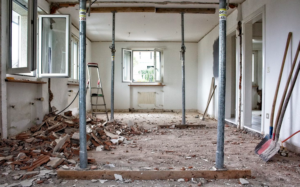
Once you’ve identified any problem areas, it’s time to tackle them with weatherstripping and sealing materials. Weatherstripping can be applied around windows and doors to create a tight seal when closed. There are various types available, such as adhesive strips or foam tape, so choose one that suits your needs best. For larger gaps or cracks around windowsills or door frames, consider using caulking or sealant.

Invest in a Dedicated Heating Source

While relying solely on your home’s central heating may not provide enough warmth, having a separate heating system specifically designed for your sunroom ensures maximum comfort. There are several options available when it comes to choosing a dedicated heating source for your sunroom. One popular choice is installing radiant floor heating, which involves placing electric cables or water pipes underneath the flooring surface. This type of system provides even heat distribution throughout the entire room, making it an excellent choice for larger sunrooms.

If you prefer something more traditional, consider investing in an electric fireplace or stove. These appliances not only provide warmth but also add aesthetic appeal to your sunroom. With various styles and sizes available, you can find one that complements the overall décor of your space.

Remember, creating an inviting space where you can escape from the harsh winter elements doesn’t have to be complicated or expensive. With some thoughtful planning, attention to detail, and smart choices like insulated glass panels, proper floor insulation, effective weatherstripping, and investing in a reliable heating source, your winter sunroom can become an oasis of comfort during those frosty months.…

As architectural techniques continue to evolve, ensuring the safety and protection of our homes becomes paramount. Fachwerkhäuser, or half-timbered houses, with their distinctive exposed wooden frames, are not only charming but also require unique strategies for enhanced fire protection. That’s why, at this moment, let’s learn some effective methods for safeguarding these beautiful structures against the devastating effects of fires.

Compartmentalization

zones

Compartmentalization is a key architectural technique when it comes to fire-proofing half-timbered houses. By dividing the house into separate compartments or zones, we can contain the spread of fire and limit its potential damage.

One way to achieve compartmentalization is by installing fire-resistant walls and partitions between different areas of the house. These walls act as barriers, preventing flames from easily spreading throughout the entire structure. Additionally, using materials with high fire resistance properties, such as gypsum boards, can further enhance this protective measure.

Strategic Placement of Firebreaks

barricadeFirebreaks are essentially gaps or barriers designed to prevent the spread of fire from one area to another. In the context of half-timbered houses, these breaks can be strategically placed throughout the structure to minimize the risk and impact of fire incidents. That’s why many architects often also create physical barriers between different parts of the house.
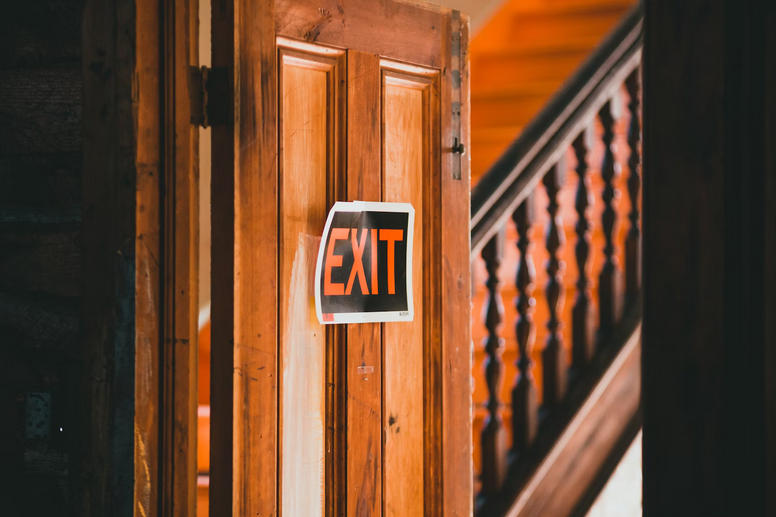


This can be achieved by incorporating non-combustible materials such as brick, stone, or concrete into specific areas like walls or floors. These materials act as a buffer zone that hinders flames from leaping across sections and engulfing the entire building. Additionally, structural elements within half-timbered houses can also serve as effective firebreaks.

Incorporation of Passive Fire Protection

This protection is all about the use of materials and techniques that can slow down the spread of fire and protect the structural integrity of a building. We often call these non-combustible or flame-resistant materials. This includes using fire-resistant insulation, such as mineral wool or fiberglass, which can help prevent flames from spreading through walls or floors.

Another effective method is installing fire-rated doors and windows. These are designed to resist the passage of flames and heat for a certain period, giving occupants more time to escape safely. Properly sealing gaps around pipes, electrical wires, and other openings is also essential in preventing the spread of flames. Fire-resistant sealants or caulks should be used to seal these gaps effectively.

Optimized Egress Design

exit

In the event of a fire, having a well-planned and efficient means of escape can make all the difference in saving lives. It’s essential to have multiple exits strategically located throughout the house, ensuring that occupants have easy access to them from any point within the building. These exits should be wide enough to accommodate quick and orderly evacuation, even if individuals are panicking or carrying personal belongings.

Furthermore, staircases play a vital role in egress design. Stairs should be easily accessible from every part of the house and constructed using fire-resistant materials like concrete or metal. Handrails must also be installed for support during evacuation efforts. Incorporating wider hallways can greatly facilitate movement through the building during an emergency situation.

While no building can be completely immune to fires, employing these architectural techniques greatly improves both prevention and response capabilities. It is crucial for homeowners and architects alike to prioritize fire-proofing measures in order to protect not only lives but also our rich cultural heritage.…

Keeping your home and family safe is an important responsibility for every homeowner. Nobody enjoys feeling stressed or living in fear of a threat to their home, so investing in top-grade security products is essential for keeping your mind at ease. You may think that staying up-to-date and regularly upgrading your home safety tech is just a waste of time and money. You just go and say “some locks just need to be replaced, what seems to be the issue?” Think again. Theft, burglary, and break-ins are, unfortunately, a reality that many homeowners face. This is why investing in the latest home security products can save your life and your family’s. Read on, you’ll get some insight into what seems to be the most anticipated home security upgrades homeowners in the world need to get.

Motion Sensor Lights

Nothing deters thieves more than motion sensor lights that turn on when movement is detected outside your home. Motion sensors are especially effective at night and when placed strategically around the perimeter of the house. Not only do they act as a deterrent for potential intruders, but they also provide you with an extra layer of security and peace of mind. Without motion sensor lights, burglars can easily sneak around your home at night without being seen.

Video Doorbells

doorbell

Gone are the days when burglars or thieves could ring your doorbell and, using it as a distraction tactic, break into your home. Nowadays, you can get video doorbells with built-in cameras that let you view and speak to whoever is at the door without ever having to open it. Video doorbells are perfect for keeping an eye out for suspicious activity near your doorstep and are great for checking to see who is at the door when you don’t feel like answering.

Smart Locks

If you want to ensure that no one can access your home without your permission, it’s time to get a smart lock. These high-tech locks come with keyless entry and allow you to lock and unlock your door from anywhere in the world using an app on your smartphone. Smart locks also provide you with the ability to check who has access to your home, so you can ensure that only trusted individuals have access.

Wireless Home Security Systems

wireless controlDoes the idea of going away from your home terrify you or even trigger your anxiety for 24 hours? If so, it’s time to install a wireless home security system and put your mind at ease. Wireless home security systems are among the most advanced tools available to protect your home. Most systems come with sensors that detect movement and windows/door contact sensors that alert you when someone tries to break in. They also come equipped with cameras, motion detectors, and even alarms so you can monitor your home even when you’re away.

With these top-notch home security upgrades, you can be sure that your home and family are well-protected from any potential threats. Investing in the latest tech may seem expensive, but it’s worth it when it comes to securing your home and family. So plan out your budget and ensure you get these upgrades this year.…

Do you love spending your free time indulging in your hobbies? If so, you’re like many other people. However, like most people, you probably don’t have enough space to do everything you love. This can be frustrating, especially since hobbies are an important part of our lives. This blog post will give you some ideas on how to create space for your hobbies in your home. We will also provide tips on how to make the most out of the area that you have. You can also review How to make a house a home: 14 expert tips for a happier home to learn more

Declutter

laptopThe first step to creating space for your hobbies is to declutter. This may seem like an obvious step, but it’s essential to eliminate anything you don’t need or use. For example, if you’re a crafter, do you need all your supplies? If not, get rid of them. The same goes for if you’re a musician. Do you need all of your instruments? If not, sell them or donate them to someone who can use them.

Double Up

Another way to create space for your hobbies is to double up. This means you find ways to use the area you already have more efficiently. For example, if you’re a painter, you can use the back of your door as a makeshift easel. Or, if you’re a knitter, you can use the coffee table as your knitting station. There are endless possibilities when doubling up, so get creative.

Remember the Yard

When finding space for your hobbies, don’t forget about the yard! If you have a backyard, you can use it to create a garden, build a tree house, or set up a workspace. If you don’t have a backyard, see if there are any community gardens in your area that you can join. Or, look for parks or other public spaces you can use for your hobby.

Downsize Your Requirements

ladyFinally, another way to create space for your hobbies is to downsize your requirements. This means that you find ways to do your hobby with less stuff. For example, if you’re a photographer, see if you can take photos with your phone instead of using a bulky camera. Or, if you’re a scrapbooker, use digital scrapbooking instead of traditional scrapbooking. We hope these tips have helped you create space for your hobbies in your home.

Remember, hobbies are important and deserve a place in our lives. So don’t be afraid to get creative and make space for them. Thanks for reading.…

Japanese minimalism is all the rage these days. But what exactly is it? In simple terms, Japanese minimalism is an interior design style that focuses on simplicity and functionality. This style has been gaining popularity due to its clean aesthetic and stress-free atmosphere. Interior house painting for this style is simple, so you don’t need to hire anyone. If you’re interested in bringing some Japanese minimalism into your own home, read on for practical tips.

Learn the Minimalist Japanese Design Principles

outsideThere are four main principles of Japanese minimalism, including simplicity, functionality, natural materials, and clean lines. Simplicity is the essential principle of all. Japanese minimalism is about stripping down your space to only the essentials. It means getting rid of any clutter or excess furniture. You should also avoid using too many colors or patterns. Instead, stick to a neutral color palette. Functionality is another fundamental principle of Japanese minimalism. Every item in your home should have a purpose and be easy to use.

For example, you might use a low wooden tray that can double as a footrest or extra seating instead of a coffee table. Natural materials are also crucial in this style. Wood, stone, and plants are common elements in Japanese minimalist homes. Finally, clean lines are essential to achieving a minimalist look. This means avoiding ornate or detailed furniture and decorations. Instead, opt for simple, geometric shapes.

Bring Elements of Wood and Bamboo Into Your Interior

One of the easiest ways to add some Japanese minimalism into your home is by incorporating natural materials like wood and bamboo. Wood furniture is a staple in this style of interior design. Bamboo is also a common element in Japanese homes. You can use it to create everything from flooring and walls to window treatments and furniture. If you’re not ready to commit to bamboo, you can also bring in some elements of nature by adding plants to your space.

Add the Japanese Sliding Doors or Screens

cleanFinally, you can’t complete the Japanese minimalist look without adding some sliding doors or screens. These are typically made of wood and paper and are used to divide up space in a room. They’re also a great way to add some privacy to your home. Japanese sliding doors or screens can be found at most home improvement stores. Sliding doors are a great way to add Japanese minimalism to your home. So there you have it, some practical tips for bringing Japanese minimalism into your home. Just remember to keep it simple, functional, and natural for the best results because these are the keys to absolute minimalism in Japanese.…

Do you have a large yard? If not, you’re missing out on some major benefits like setting up outdoor pavilions. A large yard provides plenty of room for children to play, pets to roam, and vehicles to park. It also allows you to entertain guests or relax in peace. Here are just a few reasons having a large yard is so beneficial:

Increases Your Home’s Value

large yardA large yard can increase your home’s value. It is especially true if the yard is well-landscaped and maintained. Buyers are often willing to pay more for a home that has a beautiful, spacious yard.

A large yard gives you more room to add features that further increase your home’s value. For example, you could add a deck or patio, install a hot tub, or build a pool. These features are not only great for entertaining and relaxing, but they can also make your home more attractive to potential buyers.

Provides a Place for Your Children and Pets to Play Safely

running kidsOne of the significant benefits of having a large yard is that it provides a place for your children to play safely. You don’t have to worry about them playing in the street or getting into other people’s yards. They can run around and explore without you having to worry.

A large yard provides plenty of space for your pets to run around and explore. If you have a dog, they’ll be able to burn off all their energy chasing after balls and running around. And if you have cats, they’ll love being able to roam freely in an outdoor space.

Allows You to Entertain Guests Without Feeling Cramped

Having a large yard is that you can entertain guests without feeling cramped. If you have a small yard, you might feel like you have to keep your guests close to you to avoid getting lost or wandering off. But with a large yard, you can spread out and enjoy your time together without worrying about losing anyone.

Creates a Sense of Privacy and Tranquility

paintingLast but not least, a large yard is the privacy it affords you. You can relax in your little world, away from nosy neighbors and prying eyes. If you have kids, they can run and play to their heart’s content without worrying about disturbing the peace. And if you’re an animal lover, you can create a haven for your furry (or feathered) friends.

A large yard also allows you to get in touch with nature. You can grow a garden, go for walks, and enjoy the beauty of the outdoors without having to share it with anyone else. And when the weather is nice, there’s nothing better than being able to sit outside and enjoy the fresh air.

Conclusion

So, if you’re lucky enough to have a large yard, make the most of it. There are many benefits to be enjoyed. Just make sure to keep it well-maintained to continue to enjoy it for years to come.…

If you always have a problem sleeping all night long, your bed might be the culprit. Even you’ve tried every single sleeping position, you still wake up feeling tired and uneasy. So, let me ask you. Are you looking for a comfortable and luxurious way to sleep to improve your sleep quality? If so, you should consider investing in one of the best adjustable beds for side sleepers. These beds have many excellent features that will blow your mind! This blog post will discuss the benefits of adjustable beds and how they can improve your quality of life.

Power Reclining

flatThe first excellent feature of adjustable beds is power reclining. It means that you can adjust the angle of the bed to your liking with just a push of a button. You can raise the head of the bed to watch TV or read a book or lower it to take a nap. You can also adjust the legs of the bed to relieve pressure on your back or legs. This feature is beneficial for people with back pain, arthritis, or other conditions that make sleeping in a traditional bed difficult.
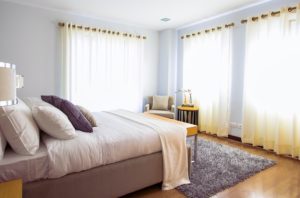
Adjustable Headrest

Another excellent feature of adjustable beds is the adjustable headrest. This feature allows you to adjust the height and angle of the headrest to your liking. You can use the headrest to support your neck and head while you’re sleeping, or you can use it to prop up your pillows when you’re watching TV or reading a book. This feature is beneficial for people with neck pain or who want to sleep in a more comfortable position.

Lumbar Support

Lumbar support is another feature that everyone needs in their beds. This feature allows you to adjust the support you need in your lower back. It is beneficial for people who have back pain or want to sleep in a more comfortable position. When it comes to lumbar support, adjustable beds are the best. However, this lumbar support needs to be flexible to find the perfect angle for your back.

Massage Functions

pillowsThe last excellent feature of adjustable beds is the massage function. This feature allows you to relax and fall asleep with a soothing massage. There are many different massage functions that you can choose from, so you can find the perfect one for you. If you want a more intense massage, you can choose a bed with a stronger motor. If you want a more gentle massage, you can choose a bed with a weaker engine. This feature is beneficial for people who have trouble falling asleep or want to relax before bed.

These are just some of the excellent features of adjustable beds that will blow your mind! If you’re looking for a comfortable and luxurious way to sleep, you should consider investing in one of these beds. You won’t regret it!

 …

Do you love doing your makeup and hairdo? If so, you’re going to love this blog post! If you always want to have beautiful hair every day, you need always to take care of your hair and check if your hair is flawless in front of a mirror. These hair tips may help you get perfect hair. In today’s post, we will give you some tips on setting up your very own makeup vanity in your bedroom. It is a great way to organize your makeup and keep it within easy reach. Plus, it’s a great way to add some extra glamour to your bedroom decor. Now, read on.

Choose a Vanity Table That’s the Right Size for Your Bedroom

makeup brushesOne of the most important things to consider when setting up your makeup vanity is the size of the table. You want to make sure that it is the right size for your bedroom.

If you have a small bedroom, you might want to consider a smaller table. If you have a large bedroom, you can go with a larger table. When choosing a table, be sure also to consider the amount of storage space you’ll need.

Install a Mirror Above or Next to Your Vanity Table

A mirror is a must-have for any makeup vanity. It’s essential to have a good view of your hair and makeup to make sure everything is looking perfect. If you don’t have room to install a mirror above your vanity table, consider installing one next. Moreover, it would help if you looked for a mirror with good lighting to see all your hair and makeup details.

Add a Light Fixture Above the Mirror

tableAnother thing you’ll want to consider when setting up your makeup vanity is the lighting. It would help if you had good lighting to see all of the details in your hair and makeup.

A light fixture above the mirror is a great way to achieve this. It will also help to make your bedroom look more glamorous. Moreover, you can choose between different types of light fixtures, such as chandeliers, pendant lights, or recessed lights.

Add Some Storage to the Vanity Table

vanityOnce you have the table and mirror in place, it’s time to add some storage. It is where you’ll keep all of your makeup, hair products, and other beauty supplies. There are many different storage options available, such as drawers, cabinets, shelves, or baskets. Be sure to choose the type of storage that best suits your needs. If you have a lot of makeup, you might want to consider adding some drawers to the table.

We hope you enjoyed these tips on how to set up a makeup vanity in your bedroom. Be sure to follow these tips to have the perfect makeup vanity for your needs. Now, if you’re looking for some tips to keep your silky hair, check out some posts at www.spatravelgal.com.Thanks for reading.…

The internet is filled with articles about purifying water, but many of them are outdated and don’t give you the most up-to-date information. To help with this problem, we have compiled a list of 3 different ways to filter your water at home. These methods include boiling, filtration systems, UV light, DIY portable sediment filters, and chemical treatments.

Filtration Systems

washFiltration systems are probably the most common way to purify water at home. There’s a wide range of filters that you can buy. Still, they all work in basically the same way: bypassing your water through layers of different materials like activated charcoal and sand that trap bacteria and other impurities. Filters also usually include disinfectants, like iodine or chlorine, to kill any remaining bacteria. It would help if you considered a few things when choosing a filtration system.

The first is the size of your household: you’ll want a filter that can handle the amount of water your family uses each day. The next thing to think about is the type of water you’re dealing with. If your water is heavily polluted, you’ll need a more sophisticated filter system than if it’s just mildly contaminated. Finally, filters can be expensive, so make sure to research and find the one that fits your needs and budget.

Distillation

Distillation is a simple way to purify water at home. It involves boiling your contaminated water source and then collecting the condensation that forms when it becomes cool again. This process works because contaminants in tap water are more likely to turn into gases than pure H20; this means they will vaporize before the steam comes out of the pot, leaving you with clean water. Distillation is a good option if your water is heavily polluted or if you’re dealing with chemical contamination. It’s also very affordable and easy to set up, making it an excellent choice for new people to water purification.

Chlorination

dripping waterChlorination is a chemical treatment that uses chlorine to kill bacteria in water. It’s one of the oldest and most common methods of purifying water, and it’s very effective at killing microorganisms. Municipal water systems and private households use chlorination, and it’s one of the cheapest ways to treat water. The main drawback to chlorination is that you need to add chlorine or bleach regularly, and it can’t kill some types of organisms. For this reason, there are other methods in addition to chlorination: UV light and filtration systems work better for heavy contamination. In contrast, distillation works best if your water contains chemicals like pesticides.

We’ve talked about the importance of drinking water and how it can improve your health. But did you know that nearly 80% of bottled water contains trace amounts of arsenic? That’s why we want to share with you four methods for purifying your own clean, healthy drinking water at home. You might even find a few surprising benefits like saving money or getting rid of excess minerals in your system! So next time you need to drink some H2O, think about what kind of experience will be best suited for you before reaching for the tap or the store-bought bottle. Give these four methods a try and let us know which one is most effective for your lifestyle by commenting below.…

When you are ready to sell your property in Delaware, you must have a plan. Selling real estate can be complicated and confusing if you don’t know the process. For example, you need to calculate all the closing costs of your home. You can click here to learn more about closing costs. Also, marketing your home can be a daunting task. However, selling your home will become much less stressful with these savvy tips! Read this blog post for information on how to get started.

Determine a Realistic Price

yellowThe first step to selling your property in Delaware is determining a realistic price. You don’t want to overprice your home, as it will be harder to sell. However, you also don’t want to underprice your home, as you could lose money. An excellent way to find the right price for your property is to research comparable homes in your area. It will give you an idea of the market and how much people are charging for similar homes.

Make Small Repairs and Touch-Ups

One of the best things you can do to prepare your home for sale is to make minor repairs and touch-ups around the house. It will give buyers the impression that your property has been well-maintained. It’s also a good idea to clean up any clutter and remove personal items from view. You want potential buyers to imagine themselves living in your home, and removing personal items will help them do that.

Stage Your Home

Staging your home can also help you sell it faster and for a higher price. Staging is the process of making minor changes to make your property look as appealing as possible. You may want to remove pictures from walls, move furniture around or add items that draw people’s attention. The correct staging techniques have been proven to increase real estate prices, so it’s worth the investment.

Have All Your Paperwork in Order

whiteOne of the most important things you can do when selling your property is to have all of your paperwork in order. When buyers are looking at homes, they will want to know how much it costs and whether or not the loan will be approved. It means that you need to provide them with an accurate appraisal report, a list of any work that has been done on the property, and a copy of the deed. You can find more information about what paperwork to provide here.

These are just a few of the things you need to do when selling your property in Delaware. By following these tips, you will be well on your way to a successful sale. Thanks for reading.

 …

Whether you are a homeowner or a homebuyer in Baltimore City, it doesn’t matter because this article is perfect for your questions! Maybe you have questions like “How can I sell my house quickly?” or “How can I find the right house to buy?”. You don’t have to worry, my friend. We’re here to help! Check out our list of tips to answer your questions below:

Stop Joining in Bidding Wars

houseBidding wars are when two or more invested homebuyers would vie with each other to get the rights to purchase a house. The homebuyers would keep on naming a price until it goes beyond the initial cost, and the decision will fall on the homeowner to pick the winner. However, you have to know that clever homeowners will use this tactic to earn more from their property and increase their initial price way above what they put up in the market and what the property is initially worth.

Some homeowners even went as far as staging a fake bidding war to boost their property’s price! Still, if you are a homeowner, you can use this tactic to your advantage, especially if you have a strategically placed and lovely home!

Rushing in and Buying a Property That Doesn’t Suit Your Criteria

Some folks like to rush in when they should be careful, and it has been proven time and time again that this is the ultimate mistake that many homebuyers make. Suppose you are interested in buying a house. In that case, you should make a list of potential houses in the encircling area before committing to one and compare the advantages and disadvantages of each location.

Homebuyers who are impatient will be dealt a heavy financial blow, and if you are a homeowner, you can take advantage of most homebuyers’ naivety and push your properties in their faces to pressure them into committing.


Taking Too Long to Put Up an Offer

Many homeowners will lose interest in your bid if you take too long to make an offer, and as a homebuyer, this will significantly affect your credibility. If you find a property you love that’s within your budget, you should act quickly because not acting swiftly enough can allow others to swoop in and take the house before you can do anything about it.

Homeowners should set a time limit before making an offer if you have more than one potential homebuyer, and this is a great way to start a bidding war that will escalate your property’s price even higher.…

If you are tired of visiting a local coffee shop to get your daily coffee, you should start making your coffee at home. Whether you are a professional barista or just a simple, humble guy who wants his coffee every morning, you need to buy the right equipment to get the best homemade coffee. It’s vital if you’re going to keep the consistency of the maximum flavor of the coffee bean. The Bean to cup coffee machine is one of the best coffee makers you should consider getting at your home. Aside from that, let’s take a look at what tools and items you should get to make the best coffee at home.

Coffee Bean Grinder

grinderLet’s start with coffee bean grinders. A coffee bean grinder is a virtual device that you need to get for the coffee-making process. This device is the secret of an excellent coffee. If the coffee bean grinder is not at its finest, the coffee results are not the best. You have two options when it comes to choosing the right coffee grinder. First, it should have the perfect length and the uniformity of the particle size. Aside from that, it would help if you also bought a coffee bean grinder based on what brewing method you want to use.

You can ask the shopkeeper for your criteria. However, a coffee bean grinder is not a complete device that you can use to make a coffee. It just “grinds” your coffee bean.

Coffee Brewer

Now, the coffee brewer is the ultimate brewing device in making coffee. We all know that quality coffee comes from a quality brewing process. And the brewing process depends mainly on the coffee brewer. To look for the best coffee brewer, make sure to check the material and other components. It includes coffee sediment, coffee oils, and the clear cup. Chemex is one of the best coffee brewers you may try to get. There are many types of coffee brewers that you can choose from. These can range from Bean to cup coffee machine and Nespresso machine.

Coffee Scale

coffeeAnother necessary item you need to get for making homemade coffee is a scale. The scale can show you the exact weight to measure the right amount of coffee and water. The scale helps you create the best coffee and water ratio, depending on your coffee beans and styles. The proper coffee and water ratio is what makes coffee the best coffee. It results in a consistent and accurate flavor profile. A decent coffee scale usually comes with a timer so that you can control your brewing time. Overall, when you need to fulfill your daily need for coffee, try to make your coffee at your home.

Although you still need to research and learn how to make a proper coffee, make sure to buy these items. This way, you can maximize your experience of making the best homemade coffee. Also, it’s best to know that you can buy all of these items online. Just make sure you buy from the right seller. So now, go ahead and get your coffee-making essentials!


 …

One of the most important decisions you will make in your entire life is to purchase a house. Whether you are looking for your first home or your forever home, it is important to evaluate the impact on your life. You need to make sure you are ready for the big move. If you’re planning to buy a house soon be sure to check out we buy houses PressRelease.com. It is important to not get ahead of yourself. Instead, look at each aspect of your new home from a different perspective and consider how it will impact your daily life. This will help you decide if purchasing a home is right for your needs.house

Price of the House

money financeAlthough it is a simple question, it can be easily dismissed. When buying a property, the house price isn’t the only cost. It won’t be enough to calculate your monthly mortgage payments. While your mortgage is the primary focus of home purchase expenses, we need to consider all the other costs that may not be obvious. You will need to consider costs for: Stamp duty, mortgage valuation survey, and if applicable, a reservation fee for homes built from new materials. These can be expensive. This will depend on the property’s value and the health of the house. You can expect to pay an additional PS2,000 for moving day.

There are however solutions. You will not have to pay stamp duty for properties less than PS500,000 until 31 March 2021. You will no longer be exempted from tax for properties less than PS125,000. However, if you are buying your first house, you may be exempt from tax for properties worth up to PS300,000. A new-built house can save you more money than a previously built one.

Amenities and Expenses

It can be difficult to remember bin day. Owning a home is not as easy as you might think. You are responsible for the property once you purchase it. The house’s maintenance and repair costs will be paid by you. This is what home renters would expect from their landlords. You also have to be committed to the community you belong to. Your neighbours and you should work together to make the community safe and welcoming. This can be a great benefit to homeownership. You will be able to devote your time and money to create the perfect place for your family to call home.

 …